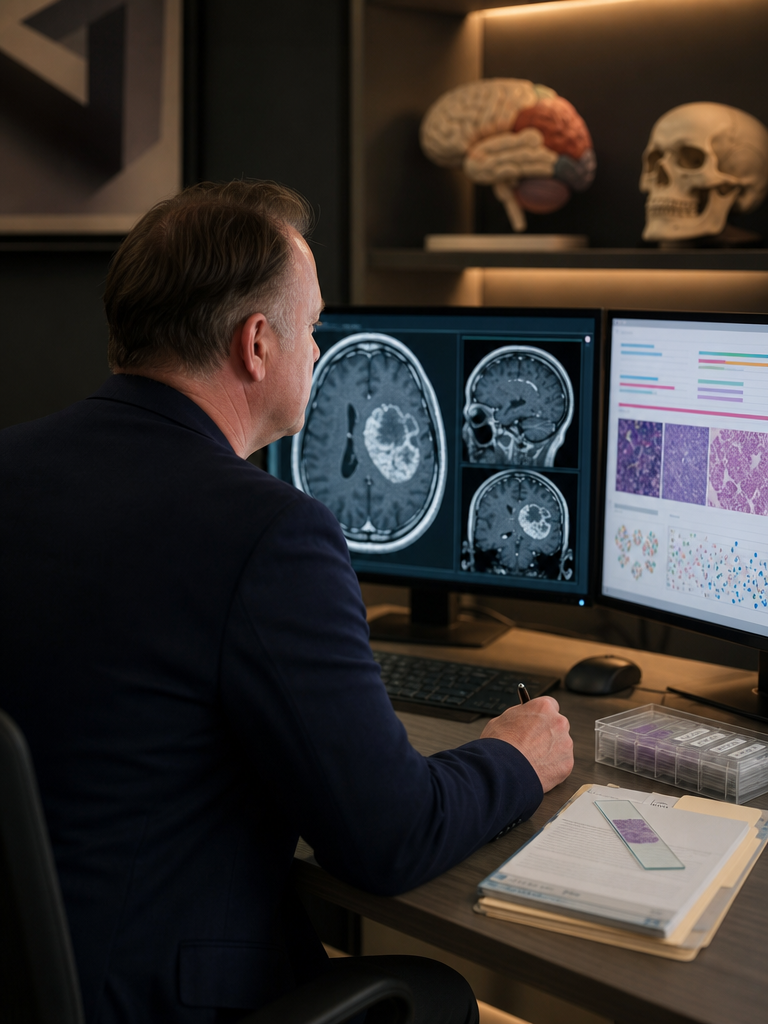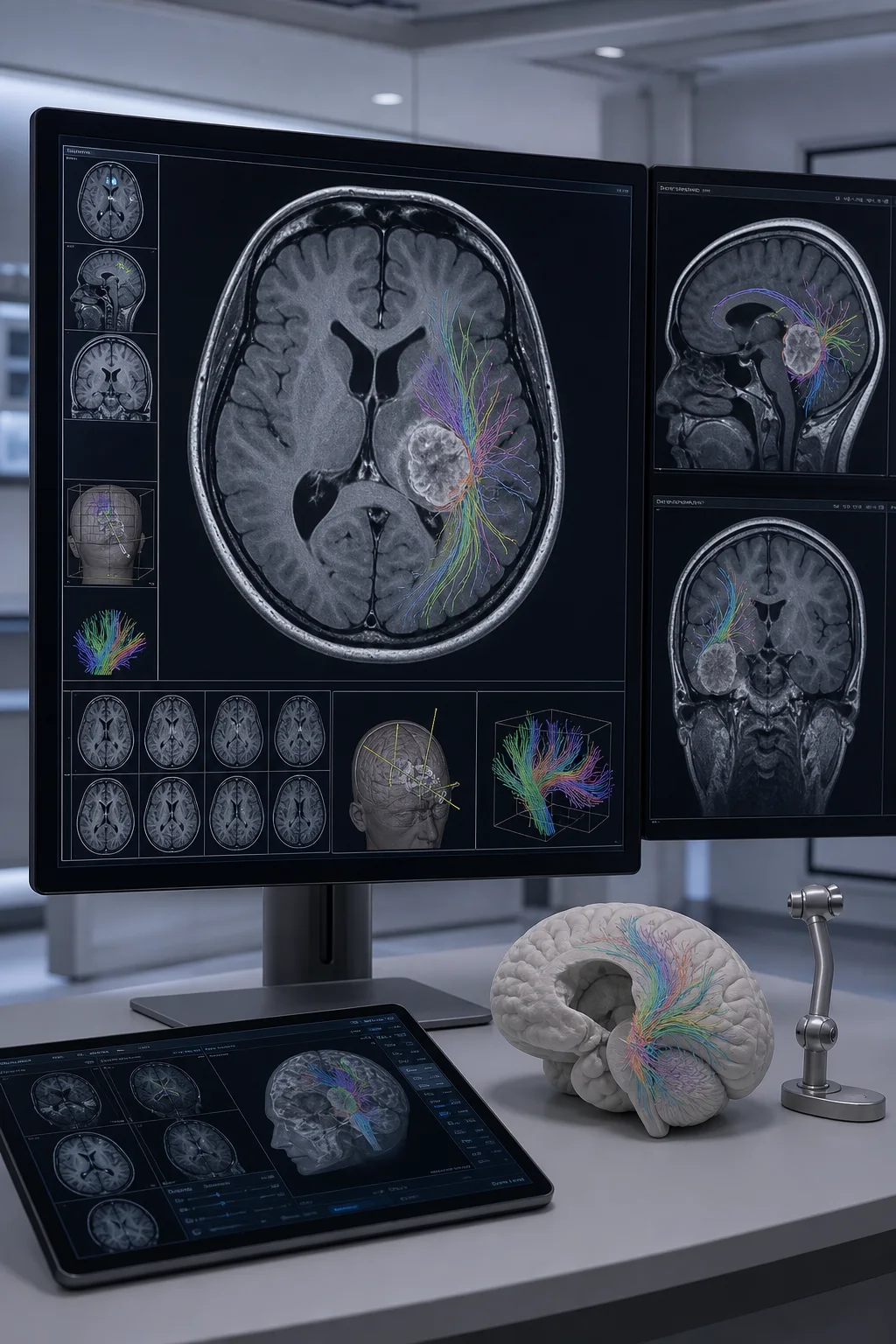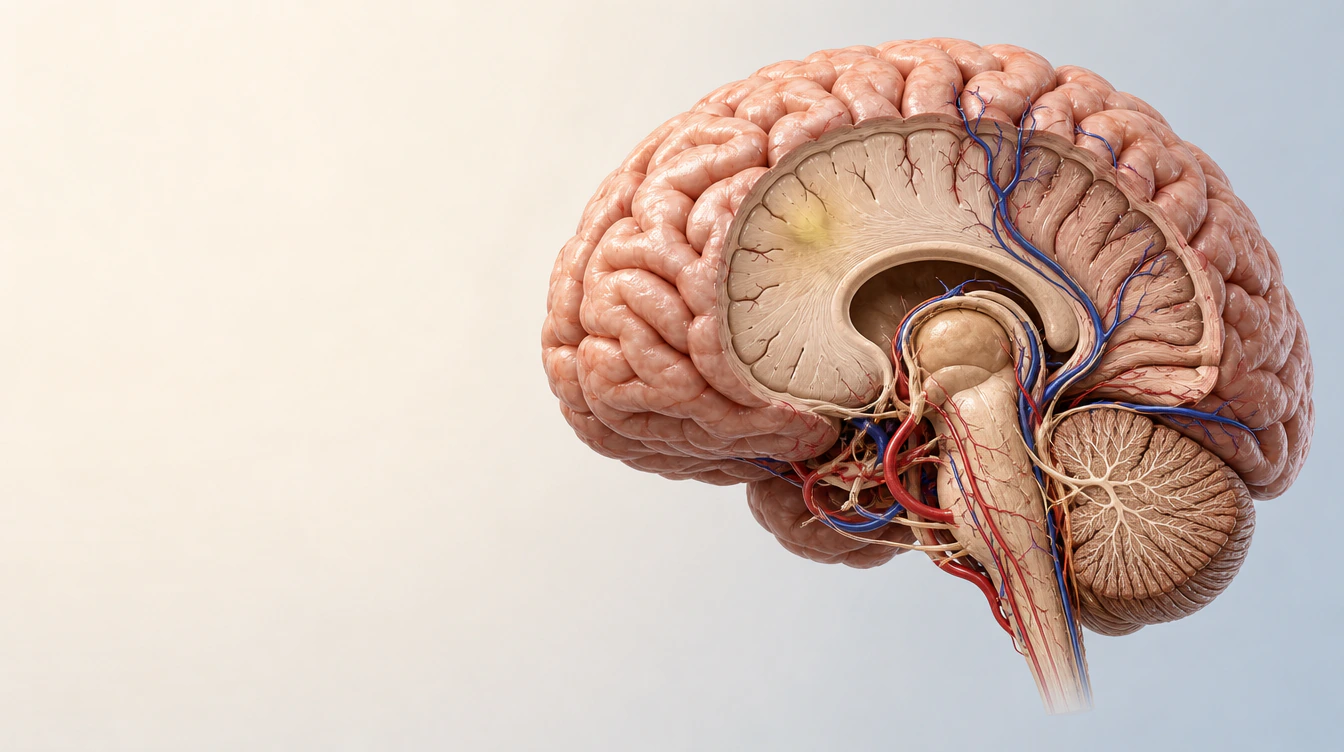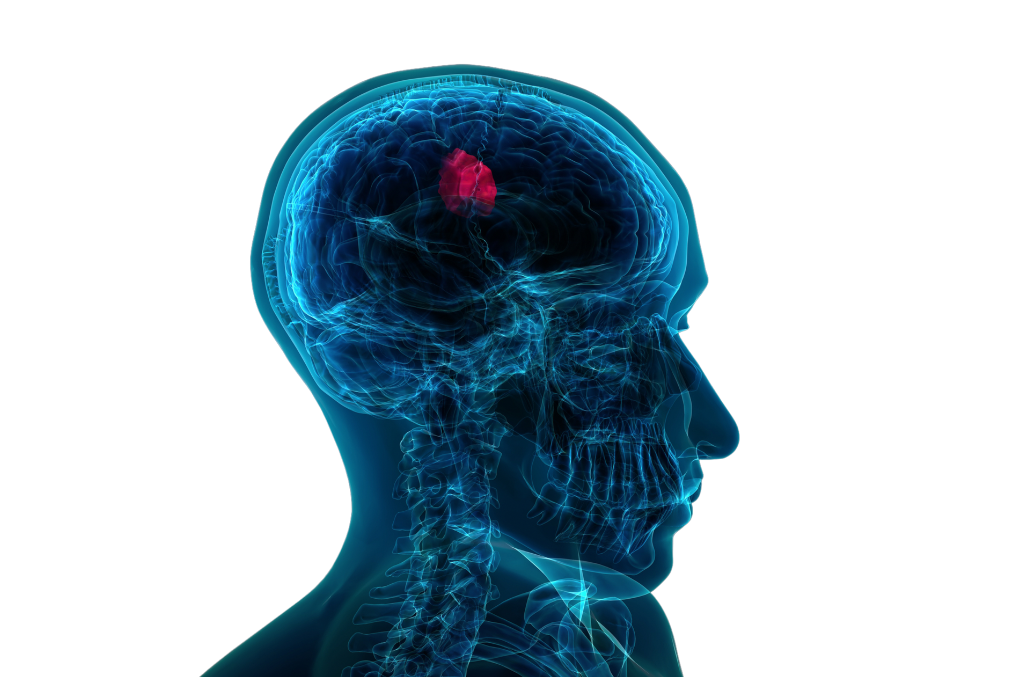


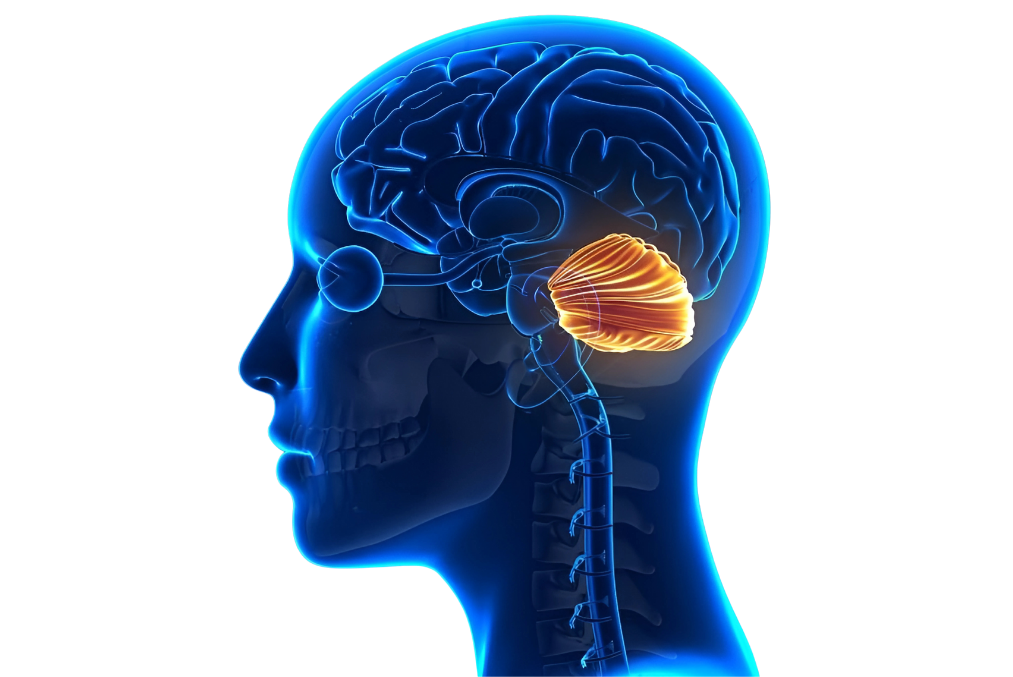


The first question is not “Is it a brain tumor?”
When headache and sudden vomiting occur together, the first question should not be “Is it a brain tumor?” but “Could there be a cause that threatens life or neurological function?” Nausea and vomiting can be common with primary headaches such as migraine. In contrast, red flags such as pain reaching its maximum intensity within seconds or minutes, a new neurological deficit, confusion, a seizure, fever and a stiff neck, papilledema, trauma, cancer or immunosuppression suggest a secondary cause and require prompt assessment.[1,2,10,11]
Neurosurgery, commonly described as brain and nerve surgery, is not the first point of care for every headache. Neurosurgical assessment becomes particularly important when imaging identifies bleeding, hydrocephalus, mass effect or a structural problem that may be treated surgically; in people with a shunt or recent brain surgery; or when the emergency department or neurology team requests a surgical opinion. Initially, an emergency department, family physician or neurologist may be more appropriate.[1,3,4,6]
Why can headache and sudden vomiting occur together?
Vomiting may be related to a migraine attack, a gastrointestinal infection, medicines, pregnancy, inner ear problems or severe pain itself. The equation “headache + vomiting = brain tumor” is therefore incorrect. Assessment considers whether vomiting began before or after the pain, whether it recurs, whether diarrhea or fever is present, sensitivity to light and sound, aura, neck pain, trauma, medicines being taken and neurological symptoms together.[1,10,11]

During a migraine attack, the headache is often throbbing, may worsen with daily activity, and may be accompanied by nausea or vomiting as well as sensitivity to light and sound. Migraine can cause substantial disability; nevertheless, it is not a structural brain disease or a condition requiring surgery. Even in someone previously diagnosed with migraine, a marked departure from the usual headache pattern may require a new assessment.[10,11]
A less common but important possibility is increased intracranial pressure. The headache may be more noticeable in the morning and worsen with coughing or straining; nausea and vomiting may accompany it. However, these features are not specific to increased intracranial pressure. ICHD‑3 states that severe pain that worsens in the morning and is accompanied by nausea and vomiting is not a “classic triad” for brain tumors; these features may be seen more in the context of increased intracranial pressure and posterior fossa tumors.[6,7,12]
What is a red flag?
A red flag is not the name of a disease or a definitive diagnosis; it is a warning sign suggesting that a headache may differ from a usual primary headache. The SNNOOP10 approach includes the following:[2]

- Fever or other systemic symptoms
- A history of cancer
- A new neurological deficit or change in consciousness
- Sudden, very rapid onset
- New onset at an older age
- A new pattern, marked change or progressive pain
- A headache that changes with position
- Triggering by coughing, straining or exercise
- Papilledema
- Pregnancy or the postpartum period
- Recent head injury
- Immune system disease or immunosuppression
- Use of a new medicine or excessive use of painkillers
This list is not intended to ensure that everyone has a CT or MRI scan. The strength of evidence for red flags varies; many secondary headaches are rare, and large prospective studies measuring the sensitivity and specificity of all warning signs are limited. Rather than diagnosing yourself from a single symptom, the combination of symptoms, examination and clinical context is therefore assessed.[2,3]
Timeline: where and when should you seek care?
| Timing | Example situations | Appropriate route to care |
|---|---|---|
| Immediately: 112 / emergency department | Sudden “thunderclap” headache; a change in consciousness; new weakness, speech or vision problems; a seizure; fever and a stiff neck; deterioration after trauma; a new severe headache during pregnancy or the postpartum period | Emergency department; assessment by neurology, neurosurgery, obstetrics and gynecology, infectious diseases or ophthalmology teams as needed.[2,4,5,8,9,11] |
| Same-day medical assessment | A new and progressive pattern; repeated vomiting or dehydration; cancer or immunosuppression; anticoagulant use; a new headache after age 50; eye pain and redness with changes in vision | An emergency department or a physician who can provide same-day assessment; the history and examination determine whether imaging is needed.[1,2,11] |
| An appointment soon | A new headache without emergency red flags; a marked change in a previous migraine pattern; recurring morning headaches; suspected medication overuse | A family physician or neurologist; imaging and referral to the relevant specialty if needed.[1,2,11] |
| Routine follow-up | Previously diagnosed migraine or tension-type headache with a typical pattern; a normal neurological examination; no new warning signs | Family medicine or neurology; reassessment if an unexpected change occurs.[1,10,11] |
This table is not a diagnostic tool. Symptom severity, coexisting illnesses and the patient's general condition may alter when care should be sought. It is safer not to delay when the situation is uncertain, worsening rapidly or “markedly different from usual.”
When is neurosurgery, neurology or family medicine appropriate?
Emergency department
The emergency department is the first point of care for an acute presentation with a possible life-threatening cause. A neurological examination, vital signs, blood tests and, when needed, CT or MRI are arranged here. In sudden, severe headache, a non-contrast head CT is one of the initial tests used to investigate acute bleeding. Even if the CT is normal, the emergency team decides whether further testing is needed if subarachnoid hemorrhage remains suspected.[3–5]
Neurology
Neurology is the appropriate specialty for migraine, tension-type headache, cluster headache, medication-overuse headache and many neurological causes that do not require surgery. Classifying recurring headaches, interpreting a headache diary, assessing the need for preventive treatment and investigating secondary causes are part of a neurological assessment.[1,10,11]
Family medicine
A family physician can provide an initial assessment for new or recurring symptoms without emergency warning signs. Blood pressure, signs of infection, medicines, sleep, fluid intake and the headache pattern are reviewed; referral to neurology, ophthalmology, ear, nose and throat or another specialty is arranged if needed.[1,11]
Neurosurgery
Neurosurgery becomes involved when imaging shows a structural problem of surgical significance. Examples include the possibility of intervention for intracranial hemorrhage, hydrocephalus, obstruction of cerebrospinal fluid flow, a lesion causing mass effect, a brain or spinal cord tumor, shunt malfunction and some traumatic injuries. Requesting a neurosurgical opinion does not necessarily mean that surgery will take place; the aim is to assess whether surgery is needed, its urgency and the alternatives.[3,6,7]
Structural causes relevant to neurosurgery
Not every cause of headache is related to surgery. A surgical opinion may become particularly important in the following situations:
- Bleeding within the brain or between its coverings
- Acute hydrocephalus or impaired cerebrospinal fluid circulation
- A brain lesion causing mass effect and substantial edema
- Suspected shunt malfunction, blockage or infection
- An injury requiring surgical assessment after trauma
- New or rapidly worsening symptoms after brain surgery
When headache is accompanied by vomiting, changes in consciousness, balance, vision, speech or strength call for a more rapid investigation of structural causes. However, none of these symptoms alone indicates which disease is present or whether surgery is needed.[1–3,6]
New headache and vomiting in a person who has recently undergone brain surgery or has a shunt should not be assumed to be “normal recovery.” The onset and severity of symptoms, fever, redness or discharge at the wound, drowsiness and neurological changes need assessment. The operating team's discharge instructions take priority; if there is rapid deterioration, attempts to contact the team must not delay emergency help.
How significant are morning headache and vomiting?
Semrush data for Türkiye show substantial search volumes for queries about “waking up with a headache” and “what causes a headache on waking in the morning.” Although this pattern is often associated with a brain tumor in public perception, it is not a reliable screening sign on its own. Sleep apnea, migraine, disrupted sleep, medicines, caffeine withdrawal, infections and many other causes can lead to morning headaches.[1,11,12]
Increased intracranial pressure can cause pain that is more noticeable in the morning, nausea and vomiting. More important features are whether the headache is new or progressive; worsens with coughing or straining; or is accompanied by repeated vomiting, papilledema, new visual impairment, imbalance, seizures or other neurological findings. According to ICHD‑3, headache attributed to an intracranial tumor has no pathognomonic feature; progression or worsening is more meaningful.[6,7,12]
What questions will the doctor ask?
Correctly classifying a headache often begins with a detailed history. The doctor may ask about the following:

- The time the pain started and how quickly it reached maximum intensity
- Whether this is the first episode and how it differs from previous headaches
- The location, duration and severity of the pain, and its relationship to daily activity
- When the vomiting began and how many times it occurred
- Sensitivity to light and sound, aura, fever, a stiff neck or a rash
- Trauma, pregnancy or the postpartum period
- Anticoagulants, new medicines and how often painkillers are used
- A history of cancer, immunosuppression or recent infection
- Seizures, fainting or changes in vision, speech, balance, strength or sensation
- A family history of aneurysm, migraine or other neurological disease
The examination assesses consciousness, speech, facial and eye movements, arm and leg strength, sensation, coordination, walking, reflexes and blood pressure. In appropriate patients, examining the back of the eye is important for identifying papilledema. Papilledema may suggest increased intracranial pressure and strengthens the need for imaging to exclude structural causes.[3,6,7]
When is CT or MRI needed?
Not everyone needs imaging. Routine imaging solely for reassurance is not recommended in people with a typical primary headache, a normal neurological examination and no warning signs.[3,10,11]

CT is fast in an emergency and may be preferred when investigating acute bleeding, substantial mass effect, hydrocephalus or traumatic injury. For a sudden headache that rapidly reaches maximum intensity, non-contrast CT is generally an appropriate first imaging test. If subarachnoid hemorrhage remains suspected, the emergency physician may plan further steps such as CT angiography or lumbar puncture, taking the timing and quality of the CT into account.[3–5]
MRI may be preferred for headaches that are not emergencies but have concerning features, for detailed assessment of brain tissue and posterior fossa structures, or for investigating certain vascular or pressure-related problems. The imaging method, use of contrast and need for vascular imaging depend on the clinical scenario.[3,7,8]
A normal imaging result does not mean that serious symptoms developing later are safe indefinitely. Reassessment is needed if the symptom pattern changes or a new neurological finding develops.
What should and should not be done at home?
With a new and severe headache, random combinations of medicines, someone else's prescription, alcohol or repeated doses of painkillers are not safe. Continuous painkiller use can alter the headache pattern and contribute to medication-overuse headache. Even without emergency symptoms, tell the physician about all medicines being taken.[2,11]
Keeping a diary may be useful for recurring headaches that are not emergencies. You can record the date, onset time, duration and severity of pain, associated symptoms, medicines taken and possible triggers. NICE states that a headache diary may be kept for at least eight weeks to help with diagnosis.[11]
Special situations
Pregnancy and the postpartum period
A new severe headache beginning particularly in late pregnancy or after childbirth requires same-day assessment for preeclampsia–eclampsia, cerebral venous thrombosis, reversible cerebral vasoconstriction syndrome and other secondary causes. Decisions about imaging are made jointly with obstetrics and gynecology, emergency medicine and the relevant neurological teams; a necessary investigation should not be delayed solely because of pregnancy.[2,8]
Cancer or immunosuppression
Anticoagulant use and trauma
Worsening headache, vomiting, drowsiness, a change in consciousness or neurological symptoms after a head injury require emergency assessment. Anticoagulant or antiplatelet medicines affect the assessment of bleeding risk; tell the emergency team the name of the medicine and when the last dose was taken. CT is the principal initial imaging method when acute intracranial injury is suspected.[9]
A new headache after age 50
Recent brain surgery or a history of a shunt
A new headache, repeated vomiting, drowsiness, fever, a wound problem or neurological changes may require prompt assessment for a postoperative complication or shunt problem. Follow the surgeon's written warnings; if there is rapid deterioration, seek emergency help rather than waiting for an appointment.[6,7]
A brief note on children
This guide is intended for adults. In children, causes, assessment thresholds and imaging decisions vary with age. NICE recommends same-day neurological assessment in children under 12 for headaches that wake them at night or are present in the morning, progressive worsening, triggering by coughing, sneezing or bending, fever and signs of meningitis, vomiting, ataxia or a change in consciousness. If a child has lethargy, a seizure, persistent vomiting, new imbalance or deterioration after trauma, seek care at a pediatric emergency department.[13]
10 questions to ask at the consultation
- Which red flags are present or absent in this headache?
- Is an urgent CT or MRI needed, and why?
- Is there concern about bleeding, infection, a vascular problem or increased intracranial pressure?
- Was anything abnormal found on my neurological examination?
- Is an examination of the back of the eye needed?
- Do my medicines or anticoagulants change my risk?
- Is neurology, neurosurgery or another specialty appropriate?
- Which symptoms should prompt me to seek care again on the same day?
- If imaging is normal, what should my follow-up plan be?
- What should I record in a headache diary?
Conclusion
Headache and sudden vomiting require attention, but do not automatically mean a brain tumor or a disease requiring surgery. The priority is to identify rare but time-sensitive secondary causes early. Emergency care takes priority if there is sudden onset, a change in consciousness or neurological function, a seizure, fever and a stiff neck, trauma, or a new severe headache during pregnancy or the postpartum period.[2,4,5,8,9,11]
For recurring headaches without red flags, family medicine or neurology is often a more appropriate starting point. Neurosurgery becomes involved when a structural or surgical problem is identified, a shunt problem or postoperative complication is suspected, or the emergency team requests a surgical opinion. The appropriate route to care depends not only on pain severity, but also on how it began, accompanying symptoms, the examination and, when needed, imaging findings.[1–7]
Frequently asked questions
Are headache and vomiting signs of a brain tumor?
What should I do if I have a sudden, very severe headache?
Is waking up with a headache dangerous?
Which department should I visit for a headache?
Does every headache need an MRI?
Should I go directly to neurosurgery if I am vomiting?
Why are headache and fever important?
What should be done for a new headache during pregnancy?
What should I do if I hit my head while taking an anticoagulant?
Go to an emergency department if headache, vomiting, drowsiness or a change in consciousness or neurological function develops. Tell the team the name of the medicine and when you took the last dose.[9]
Why is the back of the eye examined in someone with a headache?
References
- 1. Viera AJ, Antono B. Acute Headache in Adults: A Diagnostic Approach. Am Fam Physician. 2022;106(3):260–268. Source
- 2. Do TP, Remmers A, Schytz HW, ve ark. Red and orange flags for secondary headaches in clinical practice: SNNOOP10 list. Neurology. 2019;92(3):134–144. doi:10.1212/WNL.0000000000006697. doi:10.1212/WNL.0000000000006697
- 3. Utukuri PS, Shih RY, Ajam AA, ve ark. ACR Appropriateness Criteria® Headache: 2022 Update. J Am Coll Radiol. 2023;20(5S):S70–S93. doi:10.1016/j.jacr.2023.02.018. doi:10.1016/j.jacr.2023.02.018
- 4. Godwin SA, Cherkas DS, Panagos PD, ve ark. Clinical Policy: Critical Issues in the Evaluation and Management of Adult Patients Presenting to the Emergency Department With Acute Headache. Ann Emerg Med. 2019;74(4):e41–e74. Source
- 5. Hoh BL, Ko NU, Amin-Hanjani S, ve ark. 2023 Guideline for the Management of Patients With Aneurysmal Subarachnoid Hemorrhage: A Guideline From the American Heart Association/American Stroke Association. Stroke. 2023;54(7):e314–e370. doi:10.1161/STR.0000000000000436. doi:10.1161/STR.0000000000000436
- 6. Olaru C, Langberg S, McCoin NS. A Review of the Clinical Presentation, Causes, and Diagnostic Evaluation of Increased Intracranial Pressure in the Emergency Department. West J Emerg Med. 2024;25(6):1003–1010. doi:10.5811/westjem.18500. doi:10.5811/westjem.18500
- 7. Mollan SP, Davies B, Silver NC, ve ark. Idiopathic intracranial hypertension: consensus guidelines on management. J Neurol Neurosurg Psychiatry. 2018;89(10):1088–1100. doi:10.1136/jnnp-2017-317440. doi:10.1136/jnnp-2017-317440
- 8. Jamieson DG, McVige JW. Neuroimaging During Pregnancy and the Postpartum Period. Obstet Gynecol Clin North Am. 2021;48(1):97–129. doi:10.1016/j.ogc.2020.11.007. doi:10.1016/j.ogc.2020.11.007
- 9. Shih RY, Burns J, Ajam AA, ve ark. ACR Appropriateness Criteria® Head Trauma: 2021 Update. J Am Coll Radiol. 2021;18(5S):S13–S36. ACR
- 10. Evans RW, Burch RC, Frishberg BM, ve ark. Neuroimaging for Migraine: The American Headache Society Systematic Review and Evidence-Based Guideline. Headache. 2020;60(2):318–336. doi:10.1111/head.13720. doi:10.1111/head.13720
- 11. National Institute for Health and Care Excellence. Headaches in over 12s: diagnosis and management. Clinical guideline CG150. Published 2012; updated 3 June 2025. NICE
- 12. Headache Classification Committee of the International Headache Society. ICHD‑3: 7.4.1 Headache attributed to intracranial neoplasm. International Classification of Headache Disorders, 3rd edition. Source
- 13. National Institute for Health and Care Excellence. Suspected neurological conditions: recognition and referral—recommendations for children aged under 16. Guideline NG127. 2019; current online guidance. NICE