

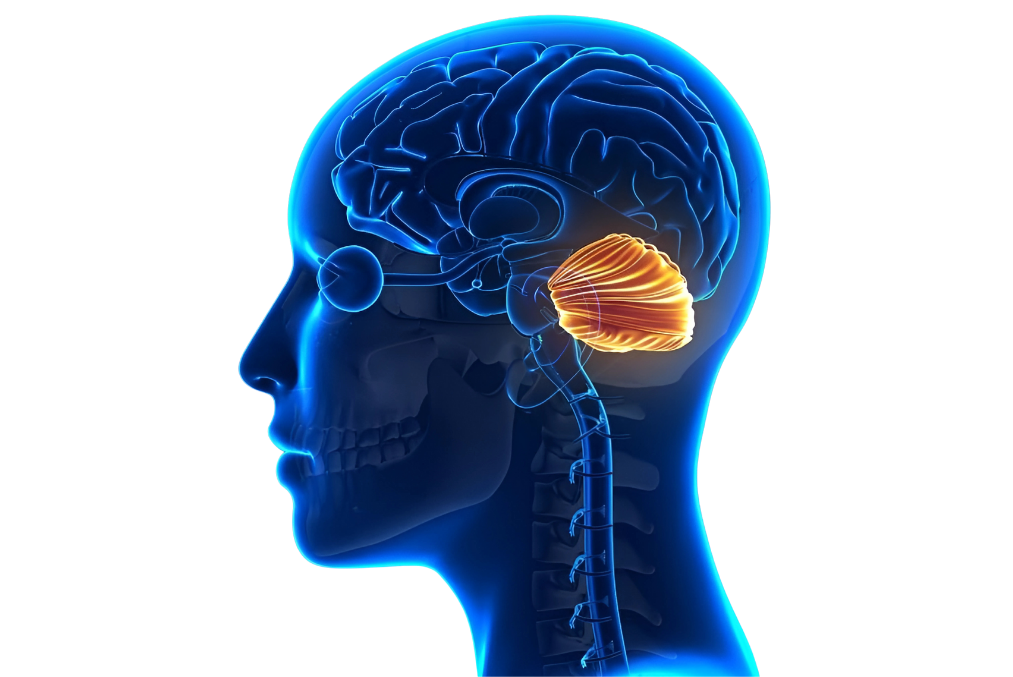


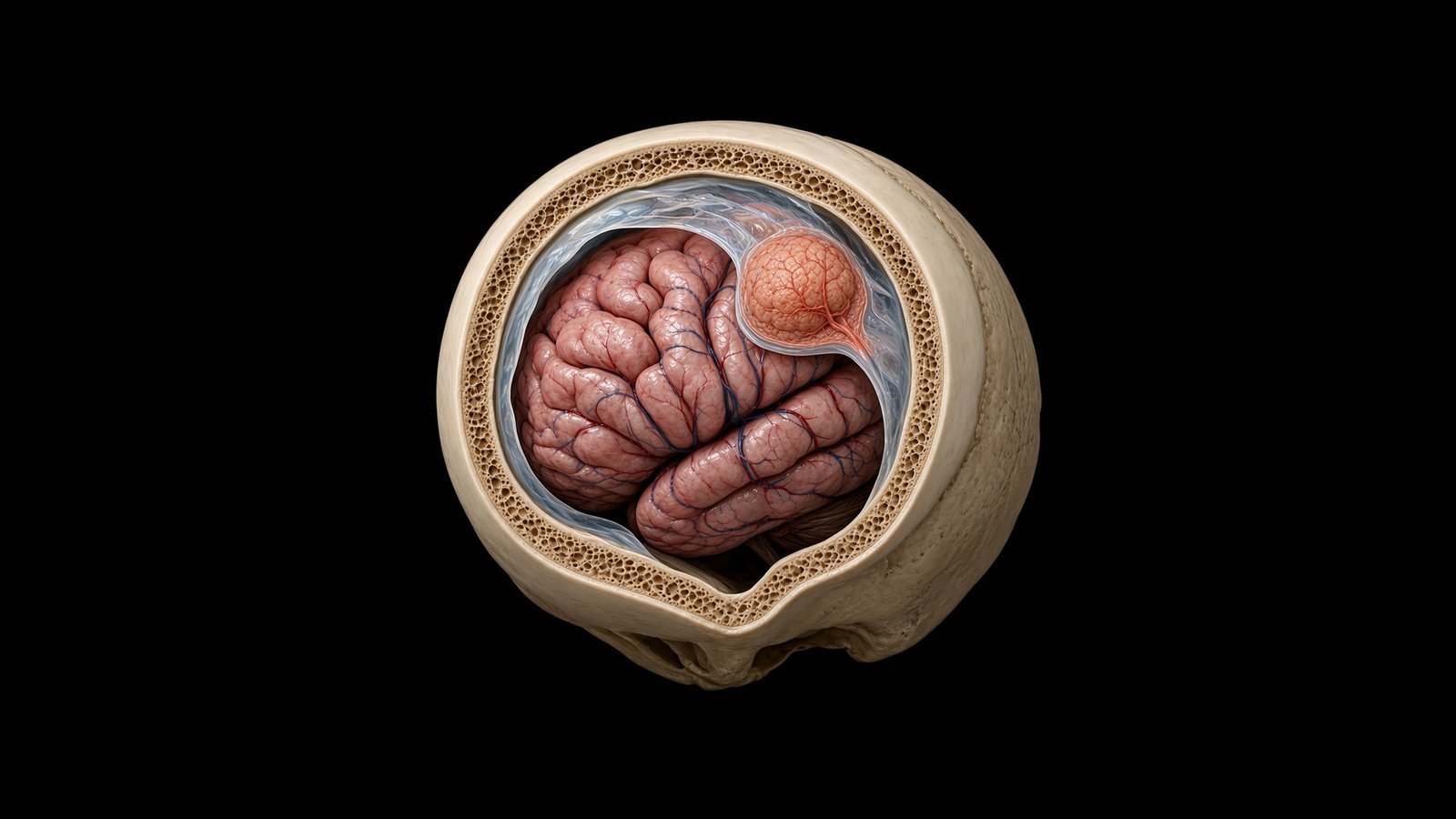
What is a meningioma, and what does “benign” mean?
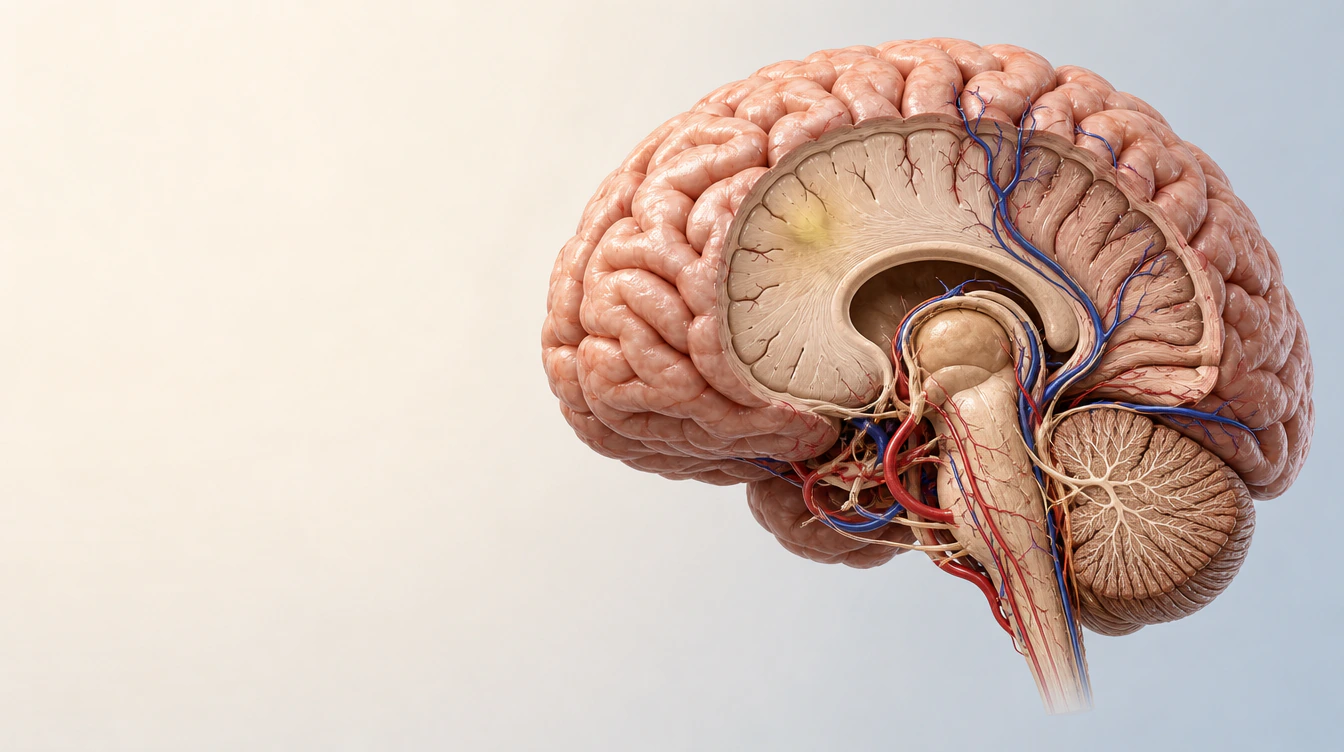
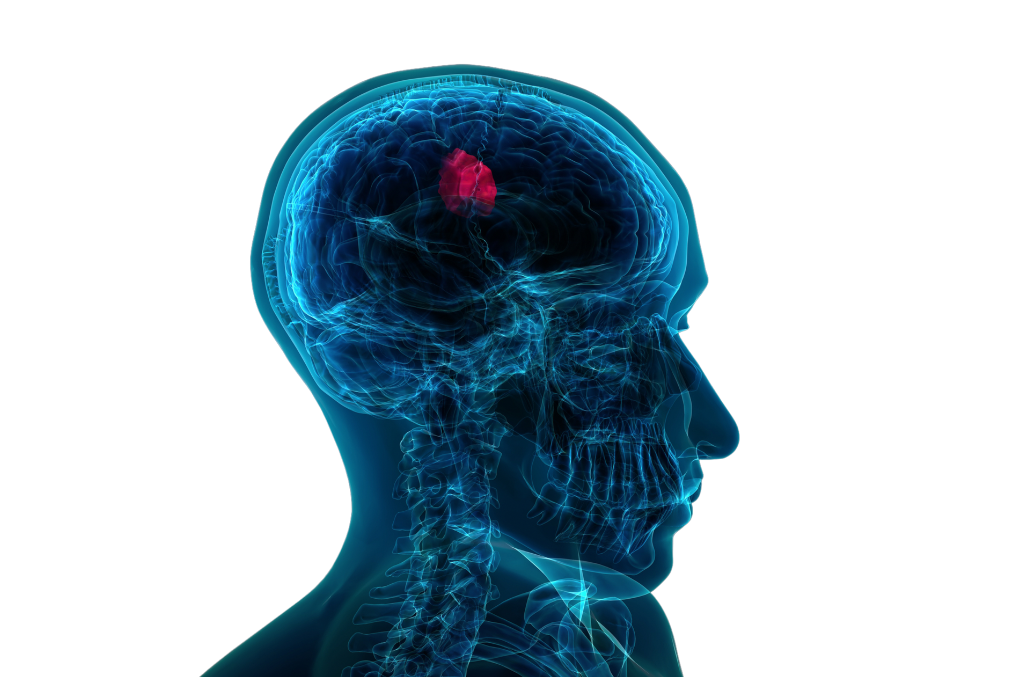
A meningioma develops from the membranes around the brain and spinal cord; it does not usually arise within the brain tissue itself. [2] It is discussed as a brain tumor because it can affect the nervous system. [2] Most meningiomas grow slowly and are not cancerous; some are found unexpectedly during an MRI for another reason. [1], [2]
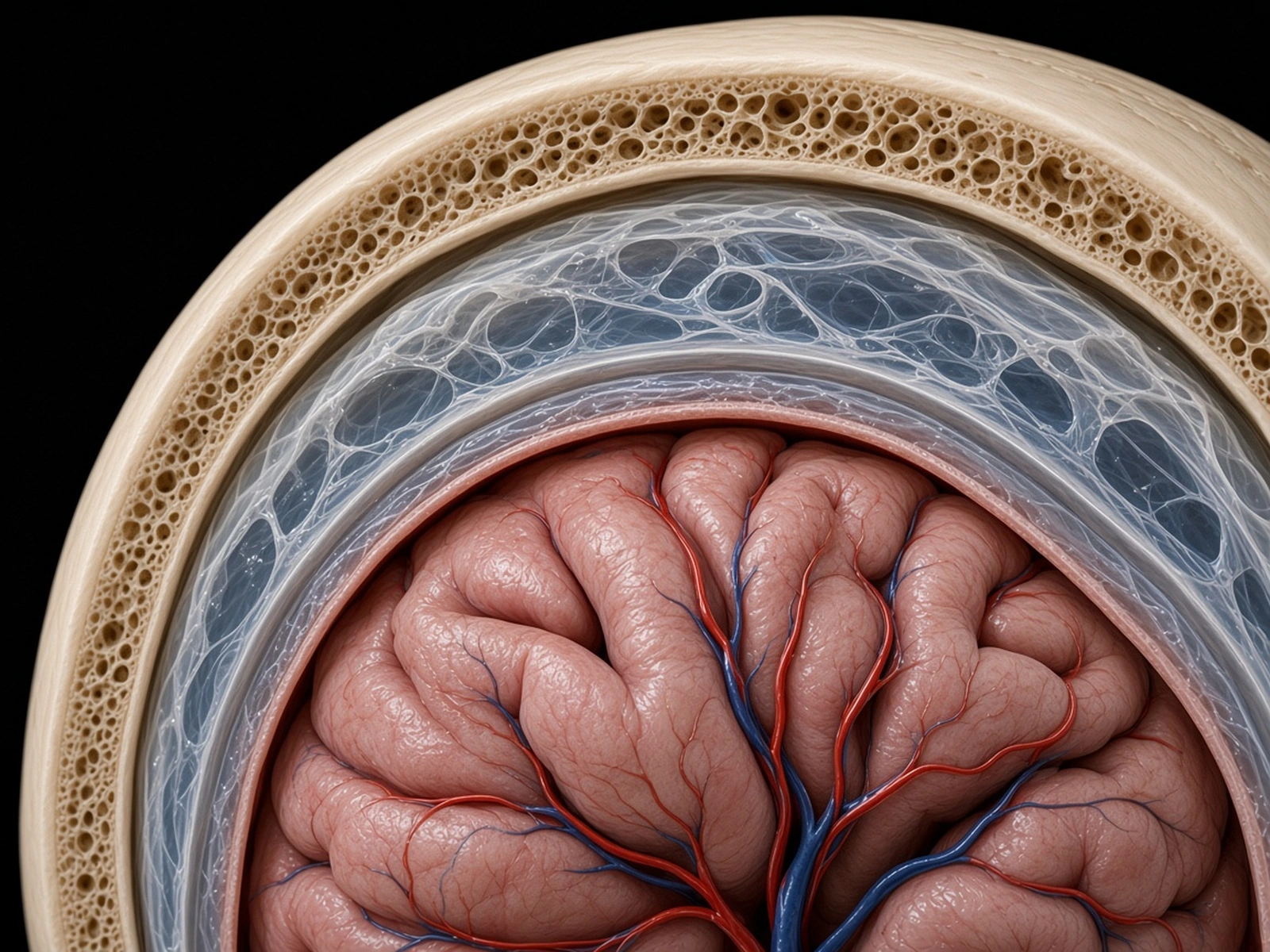
Which symptoms could be related to a meningioma?
Which symptoms should not wait for an appointment?
Can an MRI report confirm the diagnosis and the tumor's grade?
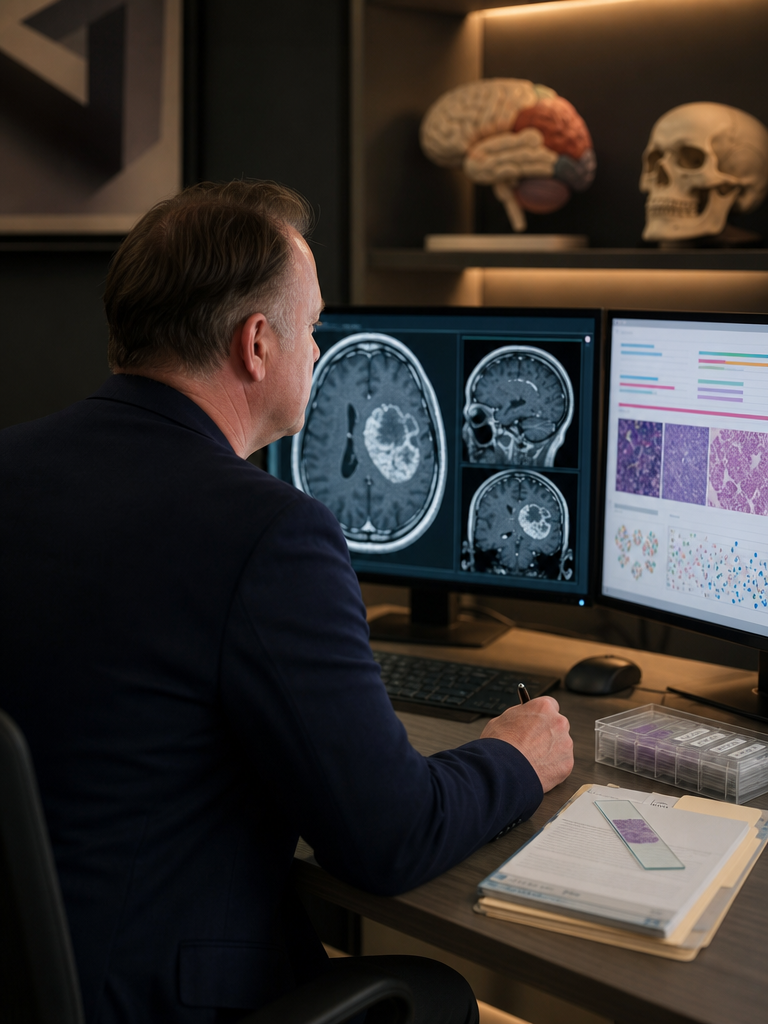
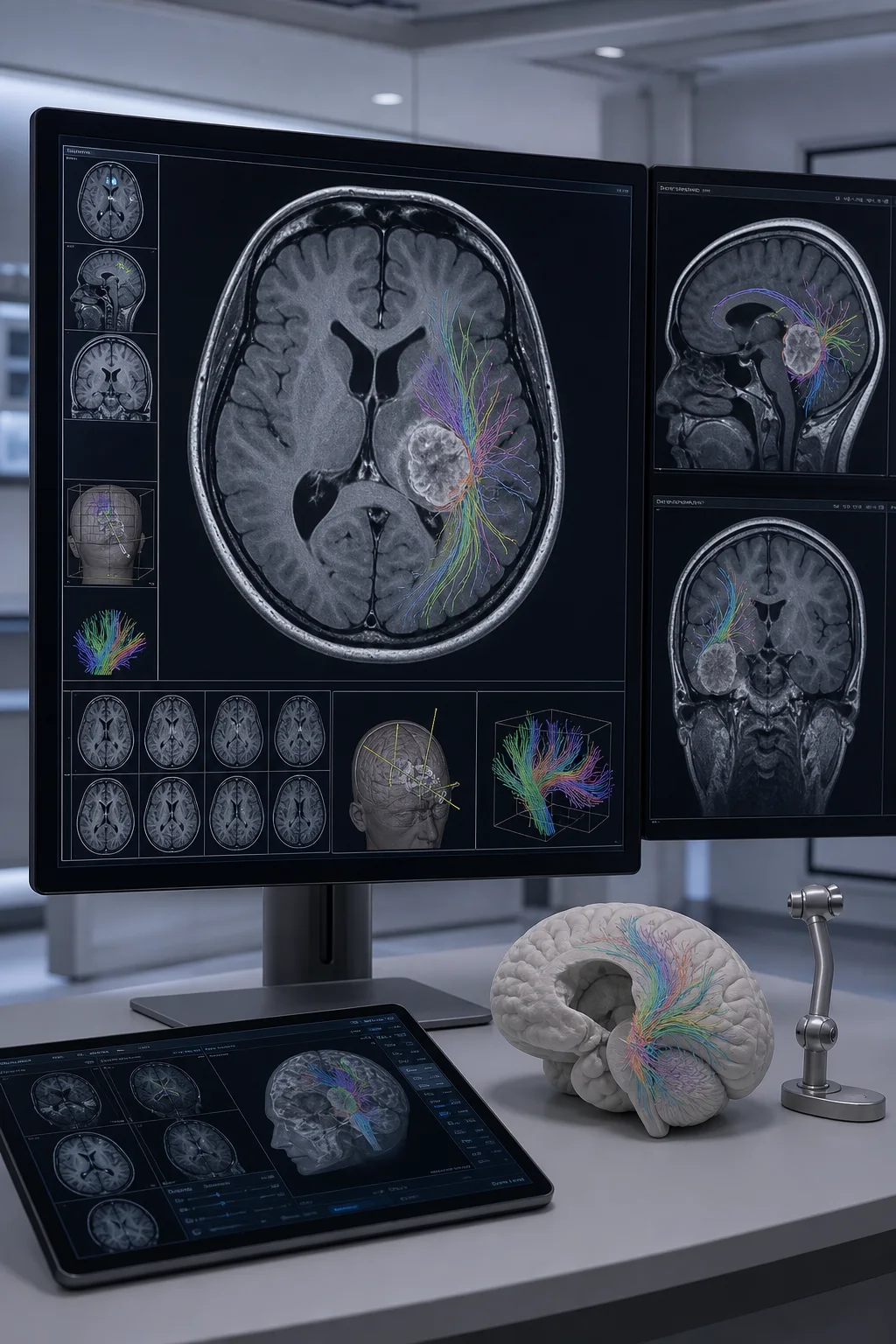
Your doctor considers your symptoms, neurological examination and scans together. [1], [2] MRI is the main imaging test for showing the tumor's position and its relationship to nearby structures; contrast material may be used. [1] CT can provide additional information, particularly about changes in the bone. [1]
An MRI may strongly suggest a meningioma, but a report saying “consistent with a meningioma” is not the same as a tissue diagnosis and grade. [1], [2] When tissue is obtained, the tumor's type and grade are established through pathological examination, with molecular tests where needed. [1], [2] This does not mean everyone needs an immediate biopsy or operation: monitoring based on imaging findings can be appropriate in selected cases. [1]
The World Health Organization classification divides meningiomas into three grades. [1], [2]
- Grade 1: The most common group, generally slow-growing. [1], [2]
- Grade 2: More likely to recur than grade 1 meningiomas. [1], [2]
- Grade 3: Tumors that can grow more rapidly and have malignant characteristics. [1], [2]
Grade describes the tumor's biological behavior, not its size in centimeters; it is considered alongside other findings when planning further treatment. [1], [2]
Why might monitoring be recommended instead of surgery?
Active monitoring may be suitable for some small meningiomas that cause no symptoms and show no growth. [1], [3] It involves planned MRI scans and clinical reviews; growth or new symptoms prompt reassessment of whether treatment is needed. [1] Research on incidentally discovered meningiomas also supports avoiding immediate intervention for every patient. [3]
If monitoring is recommended, you may wonder whether anything is being done. Ask when your next check-up will be, which changes you should report sooner and what findings would change the treatment plan.
The decision considers the tumor's size and position, changes compared with earlier scans, how symptoms affect your daily life, your age and your general health. [1], [2] Your priorities are part of the discussion, along with the possible benefits and risks of each option. [1], [2] This is why two people with the same diagnosis may receive different recommendations. [1], [2]
When is meningioma surgery considered?
Surgery is often the first treatment considered when a tumor is growing or causing symptoms. [1] Its aims are to remove as much tumor as is safely possible, relieve pressure and obtain tissue for pathological examination. [1]
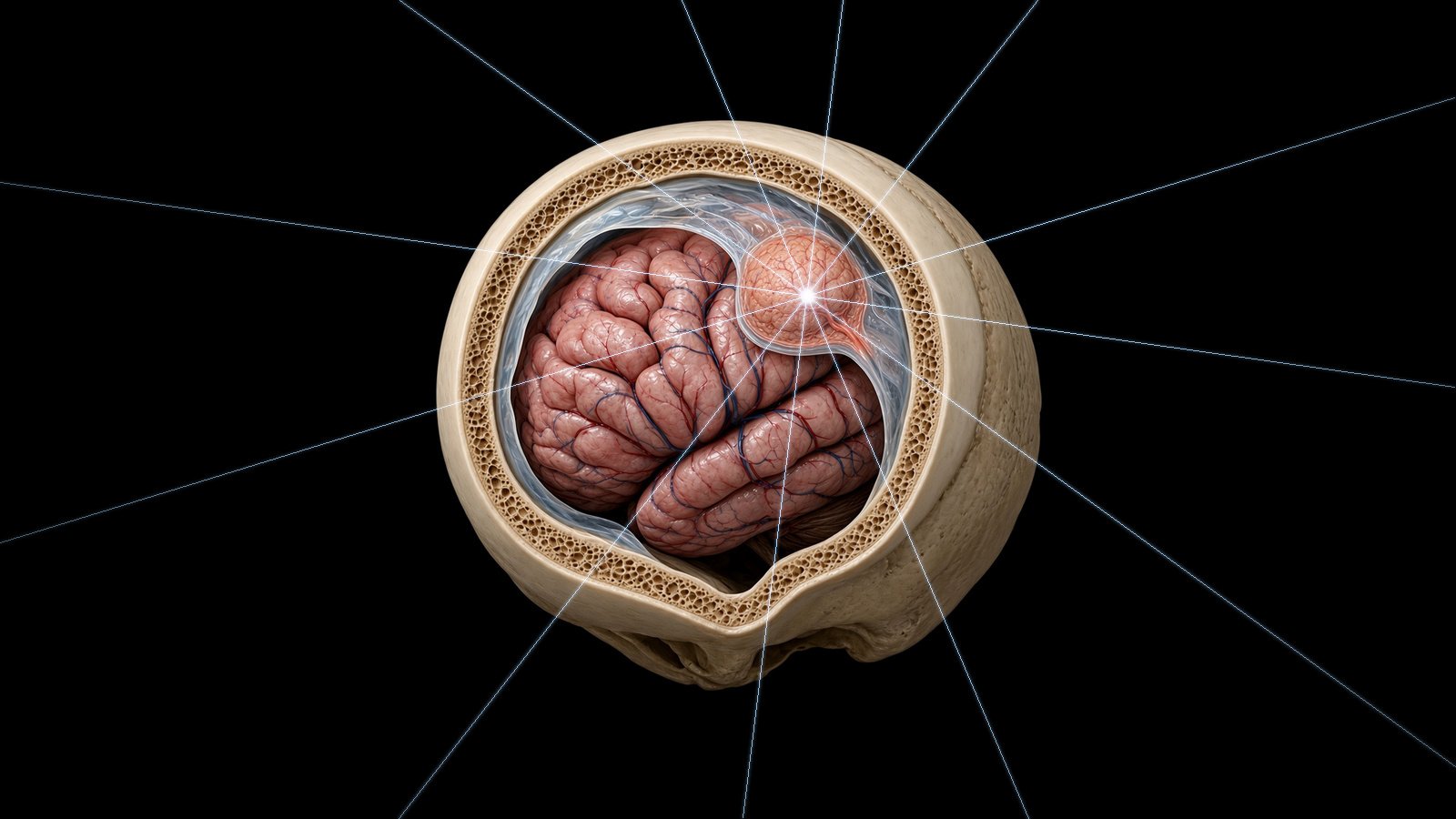
If a tumor is closely related to an important nerve or blood vessel, removing all of it may carry too much risk to neurological function. [1], [2] Leaving part of the tumor and then monitoring it or considering radiation treatment may be planned in such cases. [1] Before an operation, ask what its main aim is and how the next step would be decided if some tumor remains.
There is no single answer to “How big does a meningioma have to be before it needs surgery?” Location and the tumor's effects matter alongside size. [1], [2]
Can radiation treatment be an alternative to surgery?
These options may be considered for selected patients. [1], [4] Despite its name, stereotactic radiosurgery is not an open operation: it delivers precisely targeted radiation. [4] It may be used for small tumors, in some situations where surgery is unsuitable, or for tumor remaining after an operation. [1], [4] Radiation may be delivered over several sessions depending on tumor size and proximity to sensitive structures. [1], [4]
Radiation treatment does not remove the tumor as surgery does; it aims to control growth and can cause side effects. [1], [4] Most radiosurgery studies are retrospective patient series, and results in selected grade 1 meningiomas cannot be applied to every patient. [4] For some people, surgery and radiation are complementary parts of the treatment plan. [1]
How should you think about the risks of surgery?
Possible risks include bleeding, infection, leakage of cerebrospinal fluid, new seizures and new neurological problems. [2], [5] Effects on speech, vision or movement can be temporary or permanent; life-threatening complications can also occur. [2], [5] Having no symptoms before surgery does not make the operation risk-free. [5]
The level of risk depends on the tumor's location, the extent of surgery and your overall health. [2], [5] A single success or complication rate found online cannot predict your outcome. [2], [5] Discuss the possible benefits and risks of surgery with your doctor, along with the consequences of delaying treatment and the other options.
Will you still need check-ups after treatment?
MRI intervals are tailored to the pathological grade, treatment and your clinical situation; higher-grade tumors may need closer monitoring. [1] Before leaving your appointment, clarify when your next check-up is due and which symptoms should prompt an earlier assessment.
How can you prepare for your appointment?
If you have earlier MRI images and reports, organize them by date. Note when your symptoms started, how they have changed and how they affect daily life. You can take these questions with you:

- How strongly do the scans suggest a meningioma, and what remains uncertain?
- Has there been a meaningful change compared with the previous MRI?
- If monitoring is recommended, what findings would change the plan?
- If surgery is recommended, what is its main aim and what are the important risks in my case?
- If part of the tumor is left behind, how will the next step be decided?
- Is radiation treatment an option for me, and why or why not?
Ask again if something is unclear. For example: “What exactly will we be looking for during monitoring?” or “What is the main aim of the operation?” Summarizing the recommended plan and the next step in your own words can help you identify any questions that remain at the end of the appointment.
What are the most frequently asked questions about meningioma?
Is a meningioma cancer?
Does every meningioma need surgery?
What changes are checked during meningioma monitoring?
Why might part of the tumor be left during surgery?
Does radiosurgery make the tumor disappear immediately?
What should be clear before you make a decision?
There is no single treatment pathway for everyone with a meningioma: the decision brings together your scans, symptoms, overall health and any pathology results. [1], [2] Discuss not only whether surgery is needed, but why a particular approach is recommended, what alternatives are available and what happens next.
Patient-information note: This article provides general information. It does not replace a medical assessment, diagnosis or individual treatment advice. Do not wait for an online reply if you have emergency symptoms.
References
Five academic sources and two official patient-safety sources.
- Goldbrunner R, Stavrinou P, Jenkinson MD, et al. EANO guideline on the diagnosis and management of meningiomas. Neuro-Oncology. 2021;23(11):1821-1834. DOI: 10.1093/neuonc/noab150.
- Wang JZ, Landry AP, Raleigh DR, et al. Meningioma: International Consortium on Meningiomas consensus review on scientific advances and treatment paradigms for clinicians, researchers, and patients. Neuro-Oncology. 2024;26(10):1742-1780. DOI: 10.1093/neuonc/noae082.
- Islim AI, Mohan M, Moon RDC, et al. Incidental intracranial meningiomas: a systematic review and meta-analysis of prognostic factors and outcomes. Journal of Neuro-Oncology. 2019;142(2):211-221. DOI: 10.1007/s11060-019-03104-3. Associated correction: 2019;144(2):427-429. DOI: 10.1007/s11060-019-03237-5.
- Marchetti M, Sahgal A, De Salles AAF, et al. Stereotactic Radiosurgery for Intracranial Noncavernous Sinus Benign Meningioma: International Stereotactic Radiosurgery Society Systematic Review, Meta-Analysis and Practice Guideline. Neurosurgery. 2020;87(5):879-890. DOI: 10.1093/neuros/nyaa169.
- Corell A, Thurin E, Skoglund T, et al. Neurosurgical treatment and outcome patterns of meningioma in Sweden: a nationwide registry-based study. Acta Neurochirurgica. 2019;161(2):333-341. DOI: 10.1007/s00701-019-03799-3.
- NHS. Non-cancerous (benign) brain tumours. Symptoms and emergency assessment.
- NHS. Symptoms of a stroke. Emergency assessment of sudden speech, vision and strength changes.